- Think Well Together
- Posts
- 60-Second Check: Andrew Huberman and BPA receipts
60-Second Check: Andrew Huberman and BPA receipts
Evaluating evidence and detecting influence tactics

James Damico
November 18, 2025
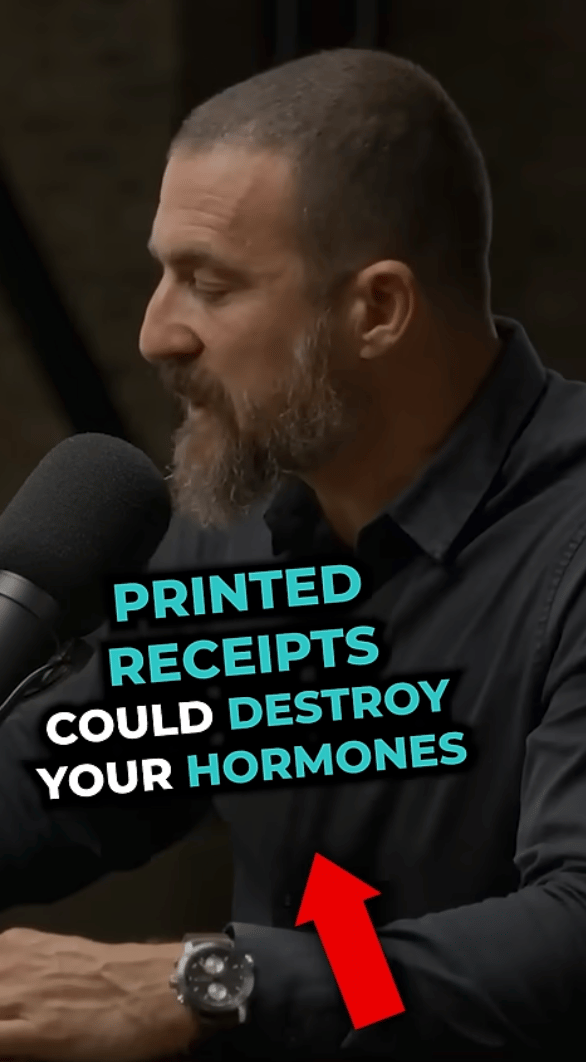
You come across a post. A respected scientist warns that touching receipts could "destroy your hormones." It’s the type of quick-hit content that often fills our feeds.
🧠 Welcome back to ThinkWell Together—where we pause, question, and cut through digital noise with tips, examples, research, and resources.
Given the ubiquity of this type of content, we need critical thinking to skillfully navigate the terrain. Let’s consider two core thinking skills: examining evidence quality and identifying influence tactics or persuasion techniques being used.
If we want to make sound decisions, we need to determine if/when information is reliable or not.
📱 Case Study: The BPA Receipt Warning
Here is the 1 minute YouTube Short featuring Chris Williamson interviewing Andrew Huberman about BPA exposure from receipts. As you view the clip, keep these questions in mind:
What evidence is actually cited?
What is the quality of evidence?
Is basic info or context missing?
And… what language and images are used to persuade viewers?
🔍 Applying the Two Skills
Skill 1: Examine the Evidence
The claim that BPA from receipts can get into your skin and raise health risks has some scientific basis. But are specific studies cited? No.
Huberman refers to a “serious NIH funded researcher” but was this researcher studying health effects of BPA receipt exposure? No.
The speakers do address the obvious question — how much exposure to BPA receipts matters — but do they provide fact-based info about how much exposure is actually risky from normal handling? No.
Without context about dosage, frequency, etc. the post is more misleading than informative.
And, statements like “You probably have to handle a lot of receipts” are not evidence.
Skill 2: Identify Influence Tactics
Is the info framed in a neutral, objective way? No.
Fear-based language ("destroy hormones") paired with a disclaimer ("don't get paranoid") actually conflict with each other. This combination drives urgency and worry while appearing balanced. This is a classic persuasion technique that exploits emotional responses.
Critical thinking is the foundation for confident, resilient problem-solvers.
⚠️ Overall Reliability Rating: LOW
Given the lack of strong evidence and the use of fear-based language that frames this post, it is not a reliable source of information.
💪 Building Your Critical Thinking Muscles
Think of critical thinking like going to the gym—you need consistent practice to build strength. These two core skills—examining evidence and identifying influence tactics—become sharper with regular use.
But what about credibility of the creator and speaker?
• Evidence is Essential: You don’t always need to deeply scrutinize the creator’s credibility to assess whether info is reliable. Often, the strength and quality of evidence itself can reveal the validity or limitations of a claim, regardless of who is sharing it.
• Credibility Still Matters: Analyzing the credibility of the person sharing a post is important because it reveals who is generally trustworthy or not. Ideally, trust should be built on a proven track record of sharing accurate, evidence-based info.
• Repeated Problematic Posts Undermine Trust: When influencers frequently use sensational or fear-driven content, their credibility drops. Clickbait headlines and manipulative, fear-mongering framing—like Chris Williamson’s in this post—undermine trust and signal engagement is valued over accuracy.
🌊 Ready to dive in?
Challenge: Next time you’re scrolling, pause on a post that grabs your attention. Ask yourself:
"Is there any real evidence to support the claim(s?)”
“What is the quality of this evidence?”
“Is basic info or context missing?"
“What language, images, sounds, etc. are being used?”
Build the habit:
Analyze 3–5 posts daily using these two skills. Notice how often influence tactics pair with LOW evidence quality. Share your analysis with friends to reinforce your learning 😃
Remember: Examining evidence and identifying influence tactics are just two of the six core skills Twella trains. Download the 2 Step Guide to see the complete framework.
🏁 Final Thought
Even content from credible creators can mislead when evidence is thin and influence tactics are strong.
References
1. YouTube Short - Chris Williamson interviewing Andrew Huberman: https://www.youtube.com/shorts/I9X2HOKiV3E
2. Twella digital platform: https://twella.app
🧑🤝🧑 Connect & Share!
Thanks for joining me on this journey!
If you have questions, stories, or suggestions for future topics, just hit reply—I’d love to hear from you.
And if you are finding any value with these posts, please share this newsletter with friends, family, fellow educators, parents, or anyone committed to thinking well in a noisy world.
And if this ever stops being your thing, unsubscribe anytime—no hard feelings.
To ThinkingWell together!
James